Category: Power Wheelchair
Posted by 2025-12-27 10:12
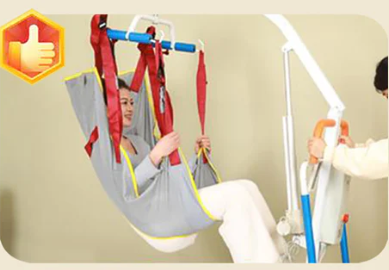
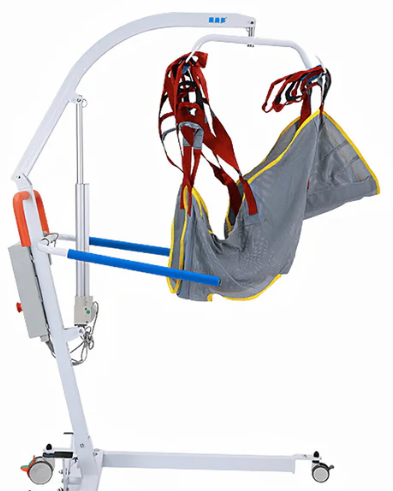
hoyer lift from floor to bed

Professional Guide to Safe Transfer from Floor to Bed Using a Hoyer Lift
When transferring a user from the floor to a bed, the process requires both professional skills and great patience and care. hoyer lift from floor to bed Proper operation not only ensures safety but also preserves the user’s dignity and comfort.
Pre-Transfer Preparation Phase
Environmental Safety Assessment
Clear all obstacles along the transfer path.
Ensure the floor is dry and level.
Lower the bed to its minimum height.
Check if the bed brakes are locked.
Equipment Safety Inspection
Confirm the lift base is fully extended.
Test the hydraulic system for smooth lifting and lowering.
Inspect the sling for wear or tears.
Verify that all hook safety locks function properly.
User Condition Assessment
Check the user’s consciousness and injury status.
Evaluate the user’s pain level and physical mobility.
Explain the operation process and obtain the user’s cooperation.
Prepare a warm blanket to prevent the user from getting cold.
Professional Operation Process
Step 1: Sling Placement
Assist the user in rolling onto their side.
Fold the sling in half and place it flat under the user’s body.
Ensure the center of the sling is aligned with the user’s spine.
Help the user return to a supine position and adjust the leg straps of the sling.
Step 2: Equipment Positioning
Push the lift close to the user at a 45-degree angle.
Position the base to straddle the user’s body.
Engage the brakes on all wheels.
Adjust the boom to be directly above the user.
Step 3: Secure Connection
First, connect the sling loops on the far side of the user.
Then, connect the sling loops on the near side of the user.
Double-check that all hooks are securely locked.
Ensure the sling bears weight evenly and balanced.
Step 4: Phased Lifting
Operate the lift slowly to raise the user 5 cm off the floor.
Pause to check stability and the user’s condition.
Continue lifting steadily to a safe height.
Confirm the user maintains a comfortable posture.
Step 5: Precise Transfer
Release the brakes and push the equipment smoothly to a position above the bed.
Use the boom’s telescopic function (if available) to fine-tune the position.
Place the user accurately in the center of the bed.
Step 6: Safe Lowering
Lower the user slowly until they make contact with the bed surface.
Unfasten the hooks once the user’s posture is confirmed comfortable.
Disconnect the hooks in the order of "near side first, far side last".
Assist the user in rolling onto their side to remove the sling.
Handling Special Situations
Unconscious Users
Assume potential spinal injuries may exist.
Arrange for additional personnel to help stabilize the user’s body.
Prioritize calling medical professionals.
Use the hoyer lift from floor to bed - style turning technique.
Obese Users
Use heavy-duty specialized equipment.
Arrange for two caregivers to operate collaboratively.
Adopt a phased lifting method with rest breaks.
Prepare a wide, specialized sling.
Users Sensitive to Pain
Consult a pain management plan before operation.
Use additional padding to enhance comfort.
Adopt a slower lifting speed.
Frequently check the user’s feelings.
Safety Precautions
Key Risk Assessment Points
Evaluate the overall safety of the operating environment.
Consider the stability of the user’s physical condition.
Confirm the equipment’s load capacity is sufficient.
Prepare an emergency response plan.
Prohibited Situations
Using unvalidated equipment.
Operating the lift alone (without assistance).
Working on slippery or uneven floors.
Transferring users with visible severe injuries.
Post-Transfer Tasks
Equipment Handling
Immediately clean and disinfect the used sling.
Check the equipment for abnormalities.
Return the lift to its designated storage location.
User Care
Conduct a comprehensive physical examination of the user.
Assist the user in adjusting to a comfortable lying position.
Provide necessary psychological support.
Record important observations during the transfer process.
Environment Organization
Restore the room to a tidy state.
Prepare essential items such as a call bell.
Adjust the indoor temperature to an appropriate level.
Skill Improvement Suggestions
Professional Training
Attend formal operation training courses.
Learn proper body mechanics.
Master emergency handling methods.
Continuous Improvement
Review the operation process regularly.
Participate in simulation drills.
Learn about the latest technological developments.
Conclusion
Transferring a user from the floor to a bed is one of the most challenging tasks in care work. hoyer lift from floor to bed With professional equipment, standardized operations, and humanistic care, this difficult process can be transformed into a safe and dignified experience. Remember, every successful transfer is a perfect combination of technology, patience, and compassion. In the journey of care, safety always comes first, and professional skills and equipment are our most reliable support.